PSBA Summer Picnic - July 20, 2024
Our family-friendly summer picnic will begin at 10am on Saturday, July 20, 2024 at Knoebels. We will have a business meeting, show & tell, great food & drink, and a presentation about Overwintering Bee Hives Indoors in Pennsylvania, which is a grant research project occurring Nov 1, 2023 to March 30, 2024 - we will learn the results from year 1.
Knoebels Amusement Resort is a family-owned and operated amusement park, picnic grove, and campground in Elysburg, Pennsylvania. Opened in 1926, it is United States's largest free-admission park.
"Turn your Knoebels visit into a family vacation. We have accommodations to match the uniqueness of your lifestyle. Pitch your tent, park your RV, stay in one of our rustic log cabins, or book a night at our quaint bed and breakfast. Your perfect Knoebels adventure is ready when you are!" For more information visit https://www.knoebels.com/.

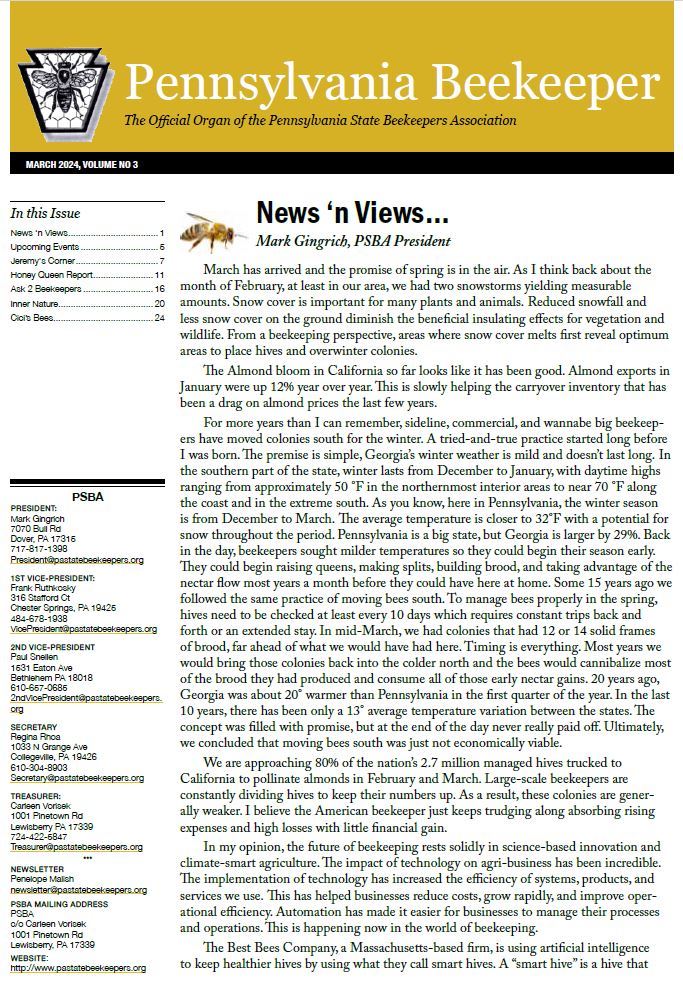
Western PA 2024 Beekeeping Seminar Photos
Feb 9-10, 2024 - This was a fantastic event with hundreds in attendance! Many thanks to everyone who volunteered.
Pennsylvania Farm Show 2024
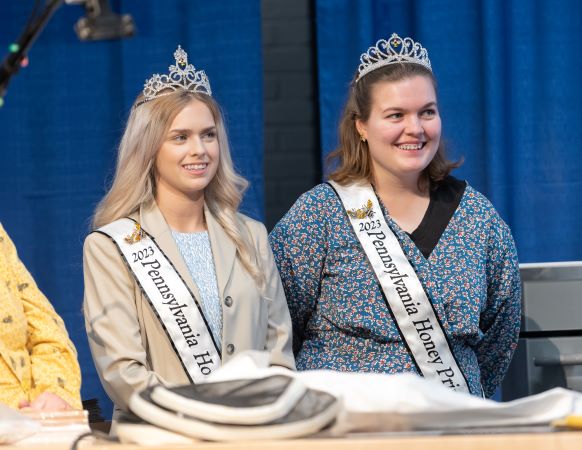
The 2024 PA Farm Show was held January 6 - 13 at the Farm Show Complex, Harrisburg. The Pennsylvania Farm Show is the Pennsylvania State Beekeepers Association's showcase annual event and the primary source of fund raising for the Pennsylvania Honey Queen Program. More information is available by clicking here.
Beekeeper of the Year for 2023 Selected
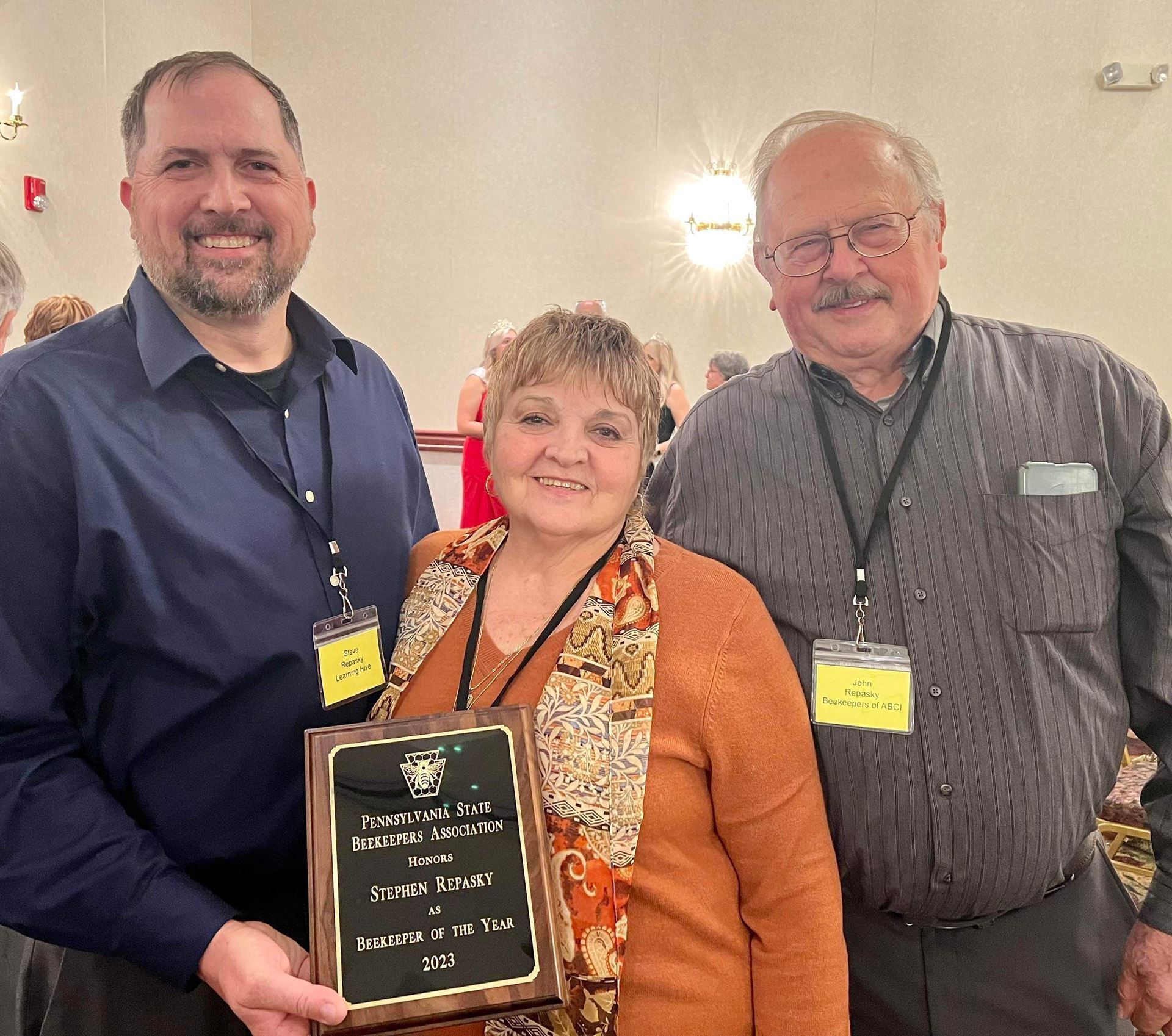
The 2023 Beekeeper of the Year award was presented to Steve Repasky at this year's PSBA fall conference.
2024 Pennsylvania Honey Queen Brochures
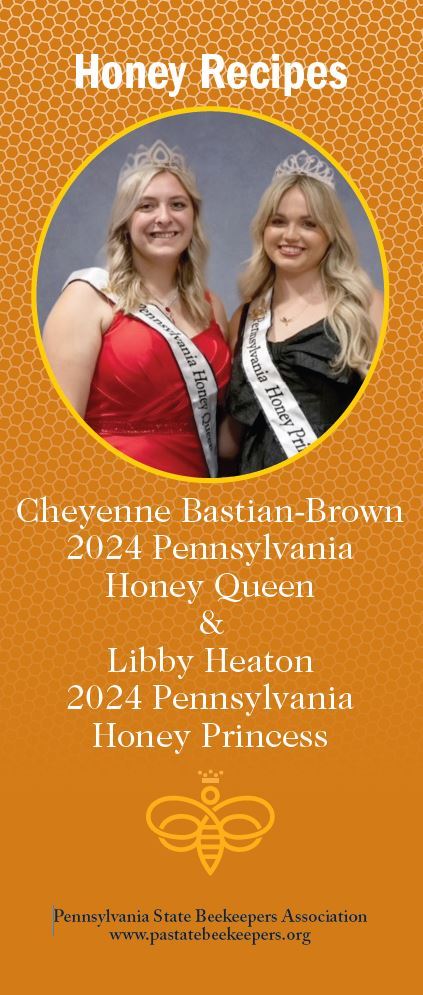
Queen Cheyenne Bastian-Brown and Princess Libby Heaton's 2024 Pennsylvania Honey Queen Brochures are now available. A $10 donation for a pack of 100 brochures is requested. You can purchase brochures by contacting Cathy and Lucy at honeyqueen@pastatebeekeepers.org or you may print them from this pdf file if you prefer.
PSBA 2023 Fall Meeting & Conference
PSBA Summer Picnic 2023
Our summer picnic was held Saturday, July 15, 2023 at Fisher Bee Farm, located at 1 Queen Bee Lane, McVeytown. We had a great turnout and excellent BBQ provided by Justin Dobrowolsky & Carleen Vorisek. Photos will be posted shortly.
Western PA 2023 Beekeeping Seminar Photos
Feb 10-11, 2023 - This was a fantastic event with hundreds in attendance! Many thanks to everyone who volunteered.
Slide show recap of the seminar: https://annieo.smartslides.com/wpba_seminar <-- click this link
PA State Apiary Inspection
The 2023 PA State Apiary Inspection season has begun. Find your local inspector by clicking on your county on our map. The entire list of local inspector's names and contact information is also available on that same page.
Candidates wanted for 2025 Honey Queen and PrincessThe Pennsylvania Honey Queen Program is currently seeking candidates for the 2024 Honey Queen and Princess. Candidate must be a single female, between the ages of 18-24 as of November 1st, who is a resident of Pennsylvania. It is not necessary that the candidate come from a beekeeping background. Further qualifications and details on our Honey Queen Application Form. |
|
Click on images below to go to page
|
|
|


Spotted Lanternfly Area Expanded
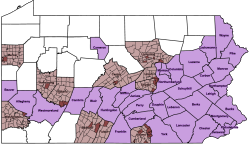
The Spotted Lanternfly quarantine area has once again been expanded. Details at the PDA website.
Further information for beekeepers and residents:
- Brief Summary of what the Spotted Lanternfly Quarantine Means to You
- Best Management Practices for Beekeepers in the Quarantine Area
- Checklist for Residents of Quarantine Area
- Spotted Lanternfly Management Resources
2022 American Honey Queen
Lucy Winn
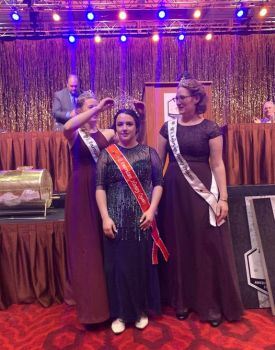
Lucy Winn, 2020/2021 Pennsylvania Honey Queen, has been chosen as the 2022 American Honey Queen at the American Beekeeping Federation Conference. Congratulations Lucy!
2021 Fall Conference Photos
2021 Fall Conference photos (Photos by Mark Gingrich)Beekeeper of the Year for 2020 and 2021 Selected


The 2020 Beekeeper of the Year award was presented to Vince Aloyo and the 2021 Beekeeper of the Year award was presented to Mark Antunes at this year's PSBA fall conference.
FieldWatch Program
FieldWatch is a free and voluntary online mapping tool that specialty crop growers and beekeepers can use to map the locations of their crops/hives. Pesticide applicators can use this to see the crops and hives near their application sites and plan accordingly. It is being offered in PA as a collaboration between the PA Dept. of Agriculture and Penn State Extension. Details
PA State Apiary Inspection - COVID-19 GUIDANCE: Interstate Transportation of Bees
Please read this informational document from the Pennsylvania Department of Agriculture regarding the Interstate Transportation of Bees, Apiary Registrations and Permits, and inspections.
How to Keep Bees During COVID-19
Article by Robyn Underwood and Margarita López-Uribe, Department of Entomology, Penn State University.
López-Uribe Lab: Beekeeping Resources at Penn State
Here are some useful links that may be helpful to beekeepers everywhere.
- If you're a beginner, get started with 'Beekeeping, Where to Begin'.
- If you will be installing bee packages this spring, here is a video detailing a step-by-step installation method.
- Here are some handy articles including Varroa Mite Monitoring Tools and Oxalic Acid treatments.
Queen Honey Bee Development
"The queen is the most important individual in a colony. She is the only bee capable of producing workers and tens of thousands of workers are required for strong colonies." Read the full article from PennState Extension:
An Introduction to Queen Honey Bee Development. A pdf version is also available.
Honeybee Viruses
Penn State Extension has posted an article with information on "Viruses in Honey Bees".
PSBA Helping Honey Bees Brochures
The 2020 Pennsylvania State Beekeepers Helping Honey Bees Brochures are available. A $10 donation/100 is requested (donations would be paid to Treasurer). To purchase brochures contact: Charlie Vorisek. Or you may print them from the pdf file, if you prefer.
Beekeepers Information
Preventing the Spread of American Foulbrood
Differences Between AFB-EFB-PMS
American Foulbrood Information (by Penn State University)
American Foulbrood Information
American Foulbrood Information (by Meghan Milbrath)
For the health and safety of all of our honeybees, it is important that your hives be registered. It is also required by state law. Click for the Mail-In Registration Form, or for Online Registration. Here are helpful instructions for Online Registration.
Beescape
Beescape provides a tool for beekeepers, gardeners, growers and land managers to assess the quality of their landscapes for supporting managed honey bees and wild bees." (Beescape is a partnership of the Center for Pollinator Research at Penn State University, Dickinson College, Purdue University, University of Illinois, Urbana-Champaign, University of Minnesota, and University of California, Davis.) Visit Beescape
Managing Varroa Mites
A Varroa Management Decision Tool is available at the Honey Bee Health Coalition website.
López-Uribe Lab: Managing Honeybees
Using an evidence-based approach to manage honey bees in light of wild bee declines
Model Beekeeping Ordinance
We now have a PA Model Beekeeping Ordinance available to view/download.
Pollen Foraging Study
A pollen foraging study has been completed in West Virginia through a Northeast SARE farmer grant endeavoring to determine which plants were being foraged through the months of July through October and which plants were contributing the most to the bees' diet. They looked at pollen collected by honey bees in five West Virginia locations, and pollen collected in one of the locations for three consecutive years. Many of the plants common in West Virginia are also common in parts of Pennsylvania. The final report is available on the Northeast SARE website.
Dr. Samuel Ramsey's varroa research

Dr. Samuel Ramsey spoke at our 2018 fall conference. View the video he did on the same subject for the Danish Beekeeper's Association. Dr. Ramsey previously won the international Three Minute Thesis (3MT) competition for his thesis 'Varroa destructor: The Curious Case of the Bee Mite's Bite' (Video introduces new ideas on varroa destructor).
Tracking the Health of Feral Bees in PA
"Since 2016 the López-Uribe lab has been leading a citizen science project that aims to map and characterize the health status of feral bees across Pennsylvania." Read their full article.
The Pennsylvania Pollinator Protection Plan
View video
View static version of video as pdf
The Pennsylvania Pollinator Protection Plan (P4) was developed with input from 36 individuals representing 28 state and national organizations and stakeholder groups. It summarizes the current state of pollinators in Pennsylvania, and provides recommendations for best practices and resources to support and expand pollinator populations. There is an opportunity for comments at the end. Comments will be accepted until Dec 15th. The document is fluid and will be reviewed and updated annually. The final chapter will be written based on comments that will help guide how it may be published and implemented.
Details at the Center for Pollinator Research
PSBA Bee Friendly Program

Bee Friendly PA is a new initiative from the Pennsylvania State Beekeeping Association (PSBA) that recognizes bee-friendly communities across the state: those that encourage beekeeping as well provide hospitable habitats and pollinator-friendly pest management practices.
"Why did my honey bees die?"
Wondering what happened? Read the 2016 article at beeinformed.org
Sentinel Apiary Project
Bee Informed Partnership is looking for beekeeping groups from across the country who manage 8 or more colonies and are interested to participate in their Sentinel Apiary Project. If you chose to participate, your club will receive monthly disease reports of Nosema and Varroa levels as well as colony health monitoring with hive scales. Data collected can be shared among those in your group, as your Sentinel Apiary will represent beekeeping conditions specific to your region. All personal data collected will remain confidential; however hive scale and disease data from Sentinel apiaries will be on a shared, public website. Subsidies available for the cost of hive scales for qualifying groups. Details and application available at beeinformed.org.
Bee Behavior Expert Studies Honeybee Swarms
Read the Smithsonian article about Thomas Seeley: "The Secret Life of Bees".
Pesticide Information
A list of Pesticide descriptions and information is available on our Current Research page.
Protecting Honey Bees from Chemical Pesticides
Documents and Brochures Available in PDF Format
WHO: BTi (used for mosquito control) not toxic to honey bees
Are Honey Bees pollinators and beneficial insects or pests?
Value of Honey Bees in Pennsylvania
Give Honey Bees a Helping Hand

Social Media Links